The sustainable packaging market is growing fast, and so is the noise around it. Brands are making claims, suppliers are offering new options, and it can be hard to know which materials are genuinely better and which are green washing dressed up in earth-toned boxes.
This guide cuts through the marketing language and explains what the most common sustainable packaging materials actually are, how well they perform, and how to choose the right one for your product and brand.
What Makes a Packaging Material Sustainable
A truly sustainable packaging material reduces environmental harm across its full life cycle. That means sourcing from renewable or recycled resources, using less energy in manufacturing, producing minimal harmful emissions, and ending its life in a way that does not add to landfill. Recyclability, biodegradability, and compostability are the most common end-of-life claims.
Recyclable means the material can be collected, processed, and made into new material. Biodegradable means it will break down naturally over time. Compostable means it will break down into non-toxic components under specific conditions, usually industrial composting facilities rather than home bins. Not all of these are equal in practice, and where your customer is likely to dispose of the packaging matters.
What are the most Common Sustainable Packaging Materials
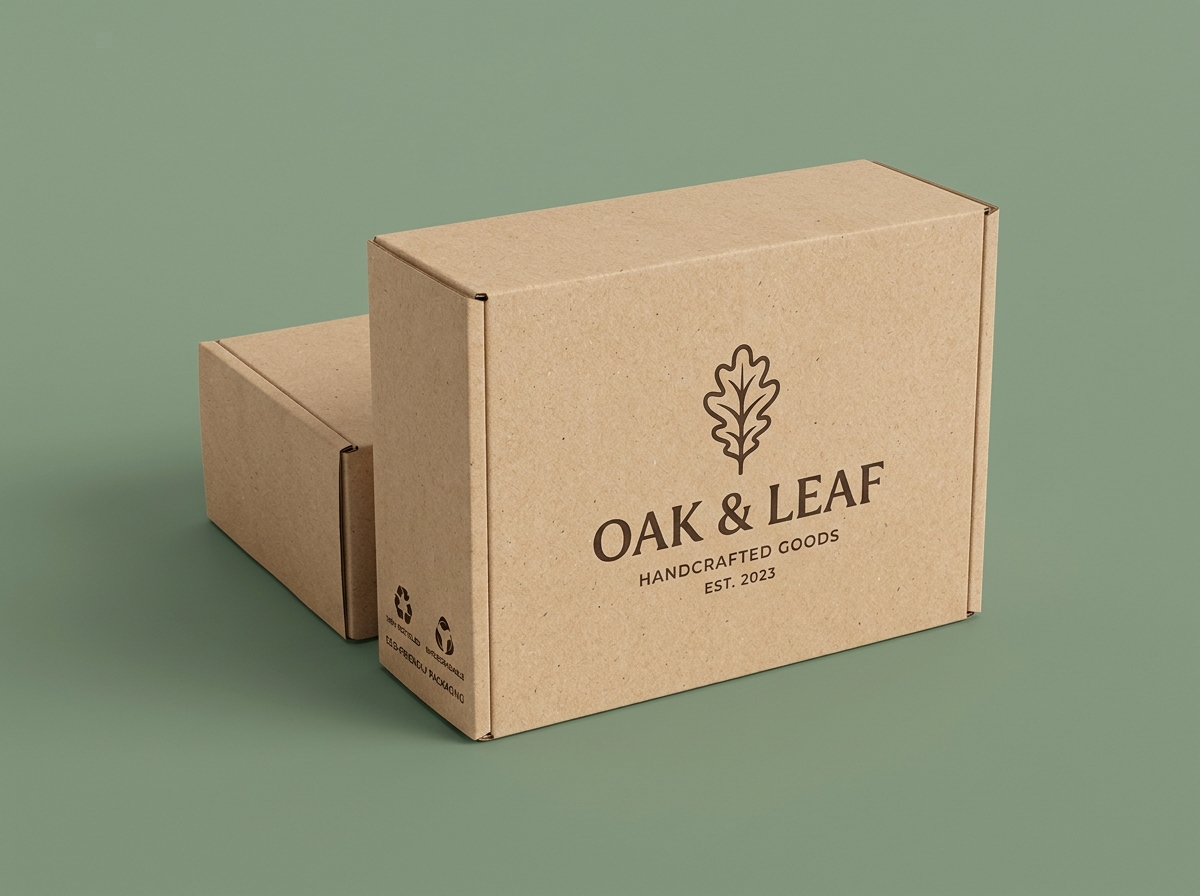
Kraft paper and board are the most widely used. Unbleached natural kraft is made from wood pulp, is fully recyclable and biodegradable, and is widely accepted in household recycling. It is strong, printable, and available at standard pricing from most packaging suppliers. For brands that want a natural, eco look, it is the obvious first choice.
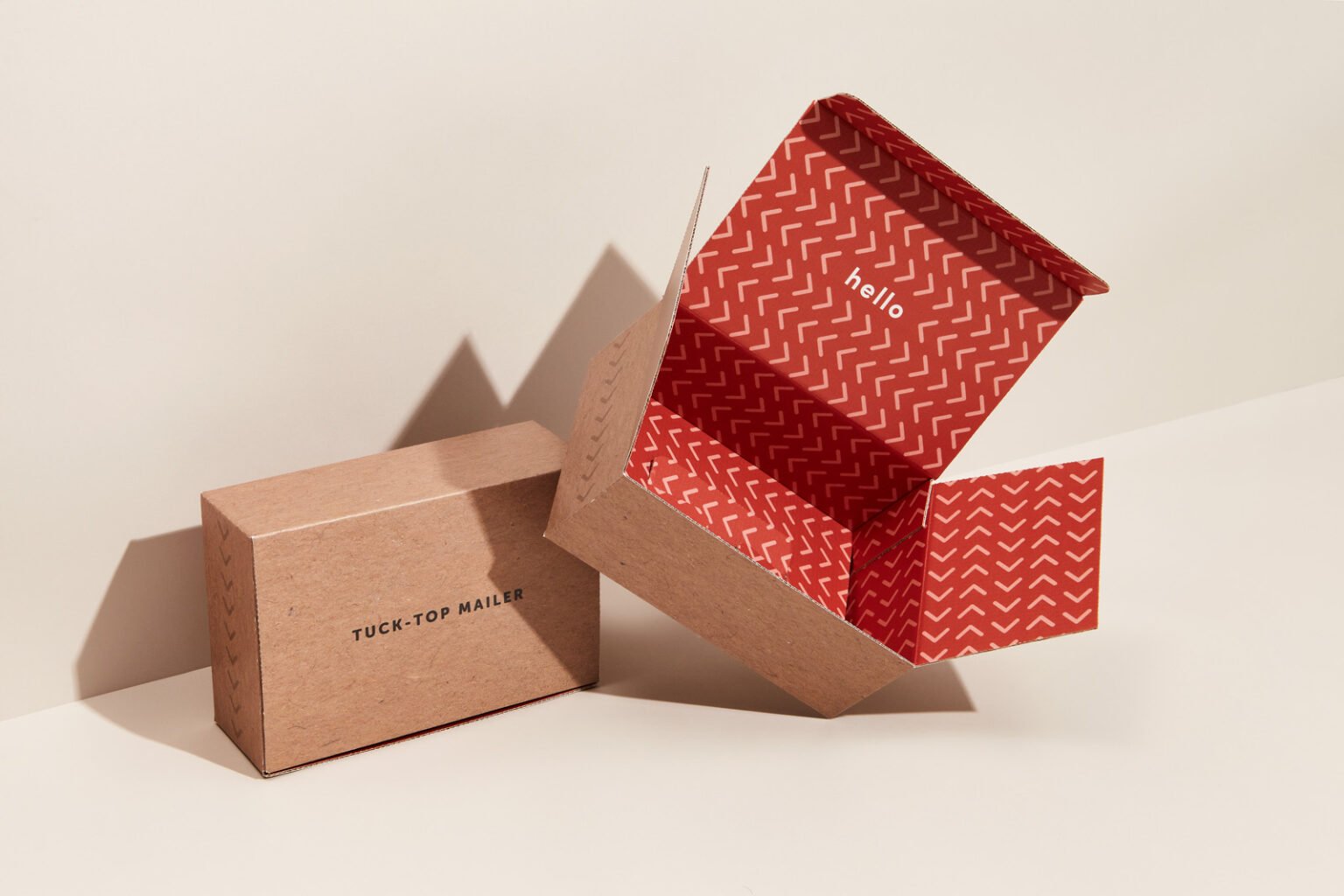
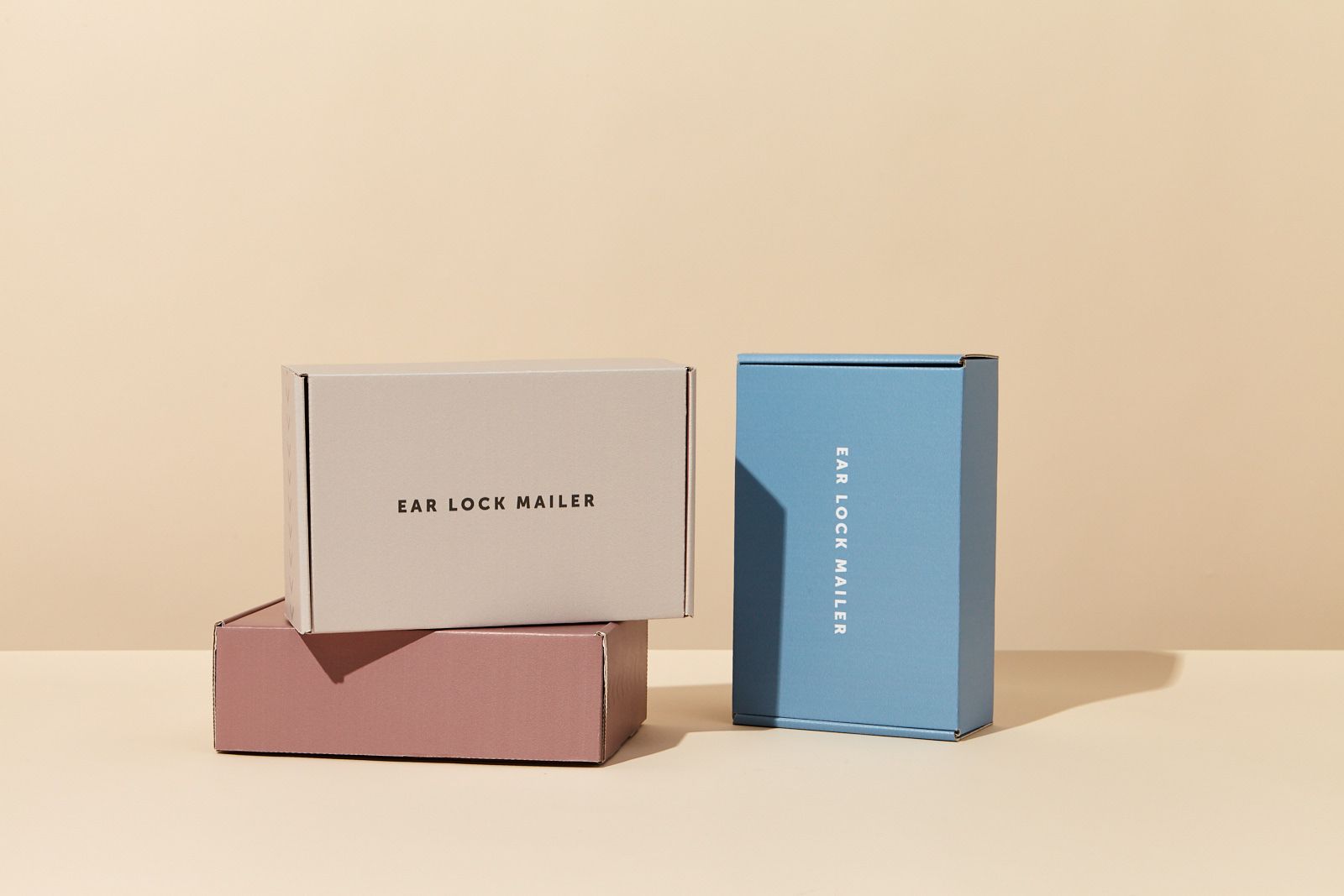
Recycled corrugated board is the standard for shipping boxes and mailers. Made from post-consumer recycled cardboard, it is one of the most recycled materials globally. It performs equally to virgin corrugated for most shipping applications.
FSC-certified paperboard is paper packaging certified by the Forest Stewardship Council, meaning the wood pulp comes from responsibly managed forests. It is recyclable and widely available as a premium sustainable option for retail boxes and cartons.
Which Sustainable Packaging choices are genuinely better for the Environment
- Kraft board boxes over virgin white cardstock: Same price, biodegradable, recyclable, and communicates sustainability visually.
- Recycled corrugated mailer boxes over standard corrugated: Uses post-consumer content and reduces demand for virgin pulp.
- Soy-based inks over petroleum inks: Less toxic in manufacturing and at end of life, without affecting print quality.
- Corrugated paper inserts over plastic foam: Recyclable with the box and holds fragile items equally well when designed correctly.
- Water-activated paper tape over plastic tape: Bonds better to corrugated boxes and is fully recyclable with the carton.
Which Sustainable Packaging Claims should Brands Question
Biodegradable is the claim most often misused. Most materials will technically biodegrade given enough time, including plastic, which can take hundreds of years. A packaging material that claims to be biodegradable without specifying a timeframe or conditions is not making a meaningful sustainability claim.
Compostable packaging is only genuinely compostable if customers have access to industrial composting facilities, which most residential areas do not. Home-compostable certified packaging is a stronger claim, but these materials are more expensive and harder to source. For most small brands, recyclable packaging accepted in standard household recycling is more genuinely sustainable because it actually gets recycled.
How do you Choose the Right Sustainable Packaging Material for your Product
Start with your product’s protection needs. Fragile products need corrugated or rigid board. Lightweight goods can use recycled paper or Kraft mailers. Food products need food-safe coatings or certifications. Then match the material to your brand aesthetic. A natural food brand in kraft board communicates clearly. A premium skincare brand in FSC-certified white board with soy-based ink printing looks clean and trustworthy.
Then think about your customer’s disposal habits. If your customers are unlikely to have access to industrial composting, a fully recyclable kraft box is more sustainably impactful than a compostable pouch. The best sustainable packaging is the one that actually gets disposed of responsibly by real customers.
What Sustainable Packaging Innovations are Worth Watching
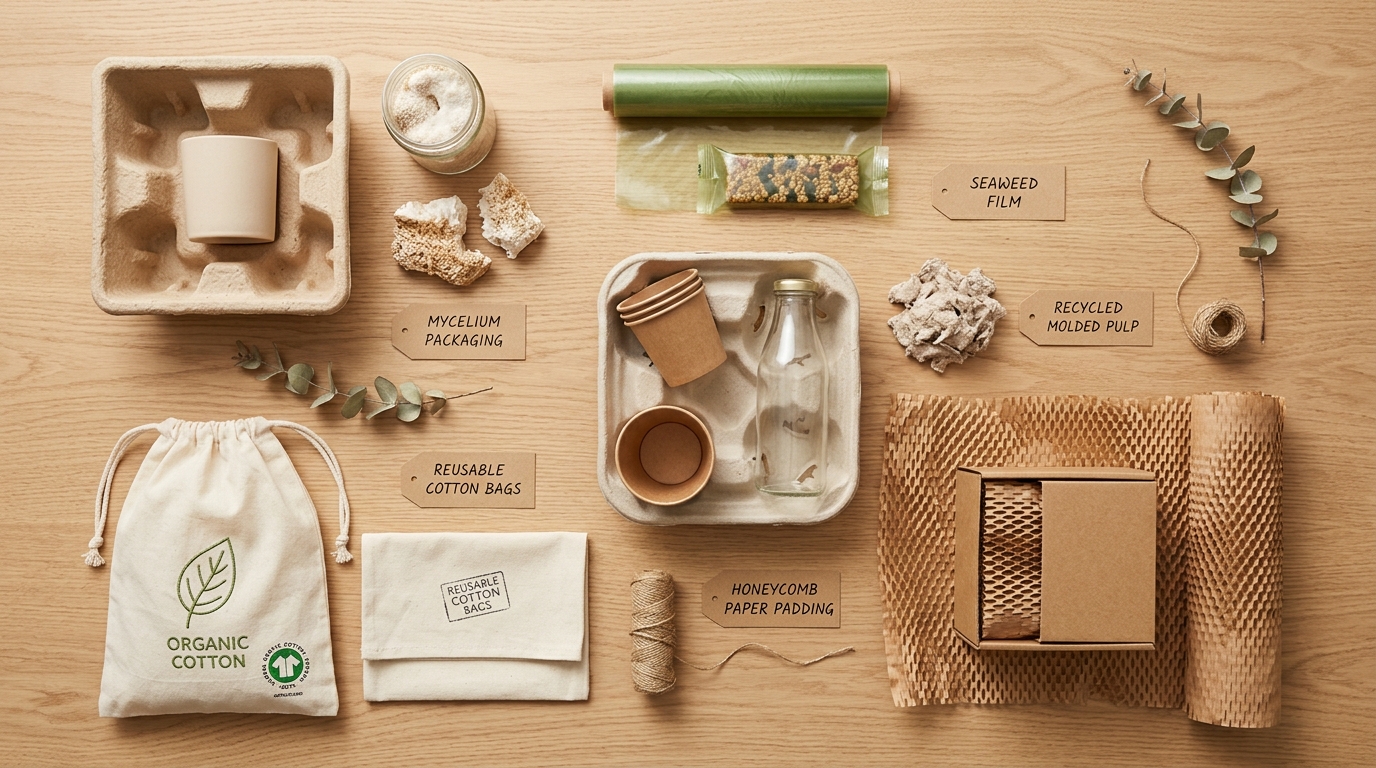
Beyond the established materials, a few newer options are worth knowing about. Molded pulp packaging, made from recycled paper pulp formed into protective shapes, is replacing plastic foam in electronics and cosmetic packaging for larger brands. Seaweed-based packaging is an emerging material that is home compostable. Mycelium packaging, grown from mushroom roots, is designed to replace foam inserts. These are not yet cost-effective at small brand volumes but represent where sustainable packaging is heading.
How do you Communicate your Sustainable Packaging Choices to Customers
Be specific and honest. Print a short recycling instruction directly on the box. Note if your board is FSC-certified or made from recycled content. Mention soy-based inks if you use them. These specific claims are verifiable and credible. Vague words like eco or green on their own are less convincing to informed customers and harder to defend if challenged.