Kraft packaging is everywhere. You see it in handmade soap shops, artisan bakeries, beauty brands, and subscription boxes. It is the packaging material with the natural brown color that communicates something honest and considered before you even open it.
But what actually is kraft packaging? How is it made, how does it perform, and is it the right choice for your brand? This guide answers those questions clearly.
What is Kraft Paper Made From
Kraft paper is made from wood pulp processed using the kraft process, a chemical manufacturing method that produces strong, tear-resistant paper. The word kraft comes from the German word for strength, and that is exactly what distinguishes it from regular paper. The kraft process retains more of the lignin in the wood fibers, which makes the resulting paper significantly stronger than standard paper pulp methods.
Natural brown kraft paper is unbleached, which means no whitening chemicals are used in manufacturing. This is what gives it the characteristic tan-to-brown color and also makes it more environmentally straightforward to produce than bleached white paper. Bleached kraft exists too, producing white kraft paper, but the unbleached natural version is what most people mean when they talk about kraft packaging.
What Types of Kraft Packaging are There
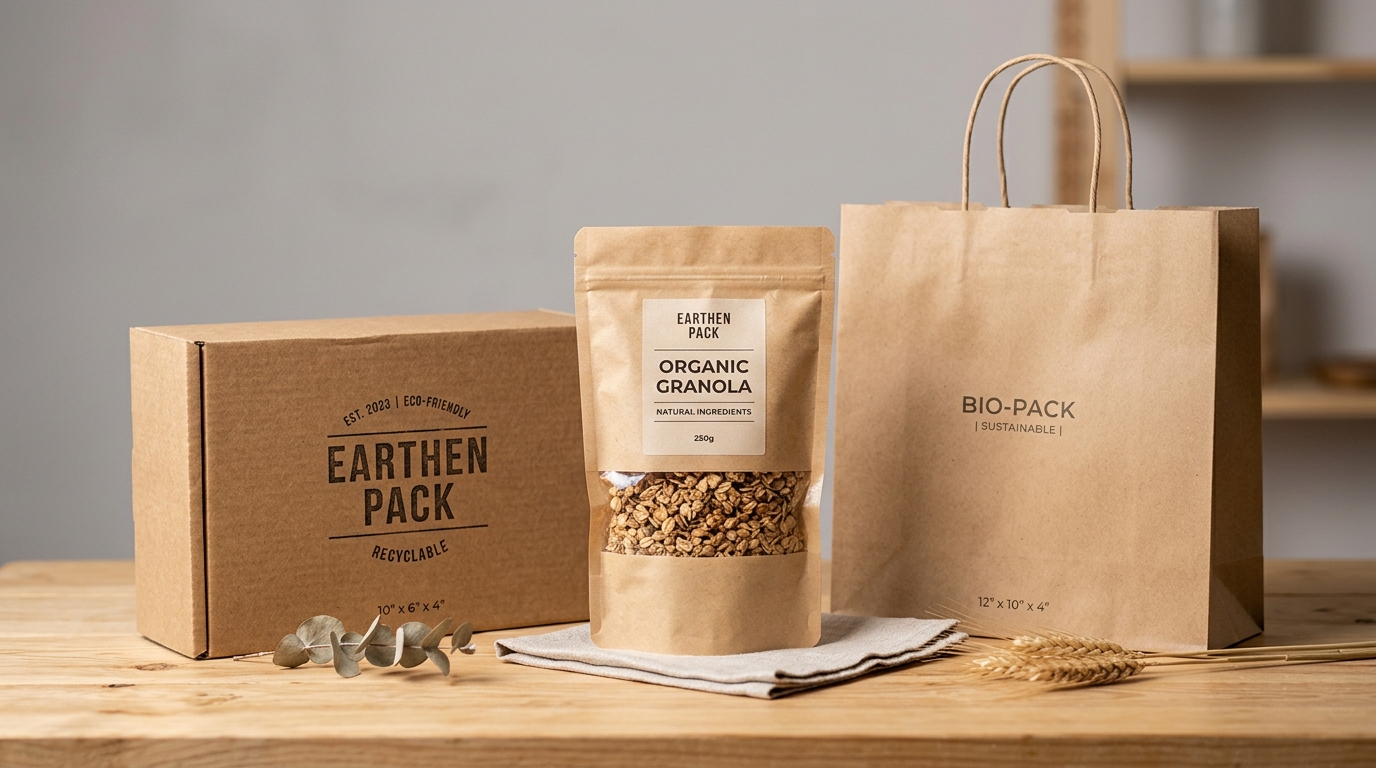
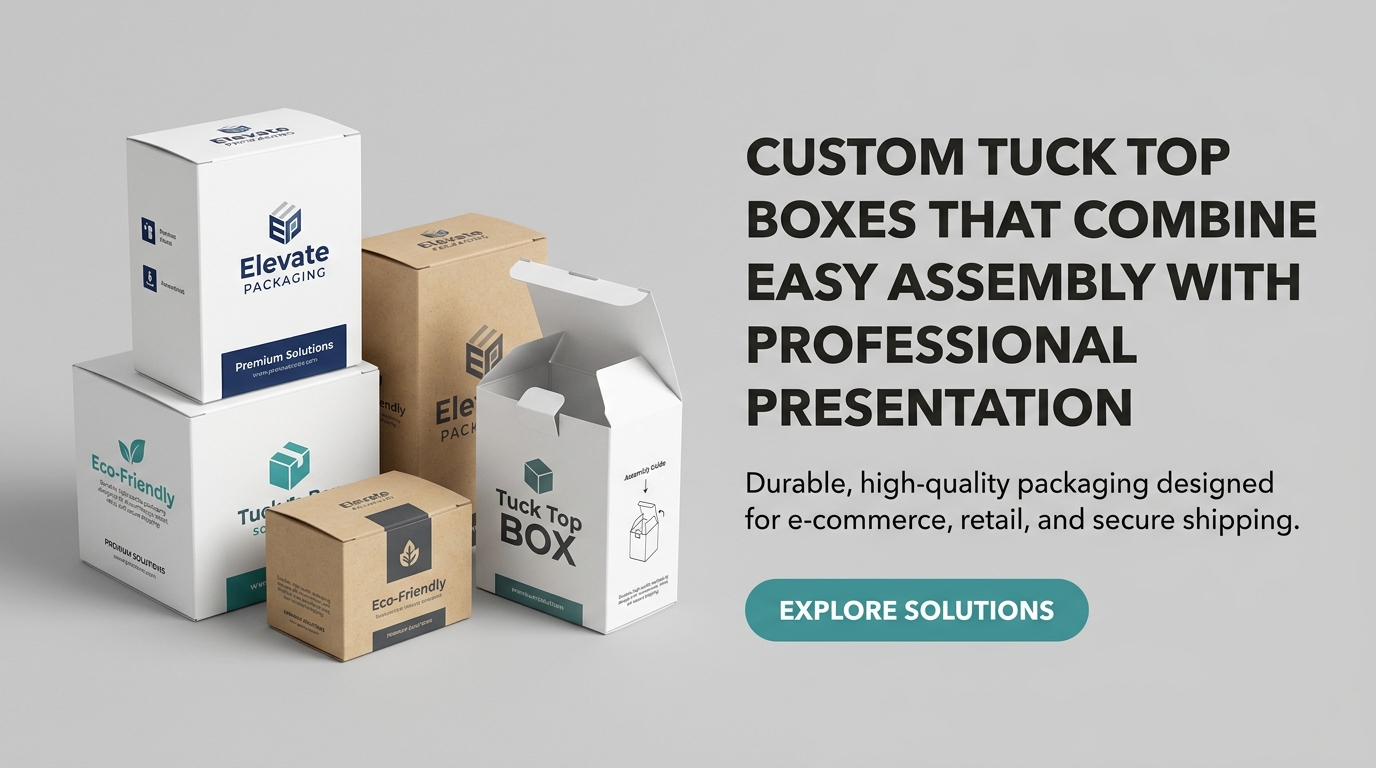
- Kraft boxes: Folding cartons and retail boxes made from kraft board. Used for soap, candles, food, and small product packaging.
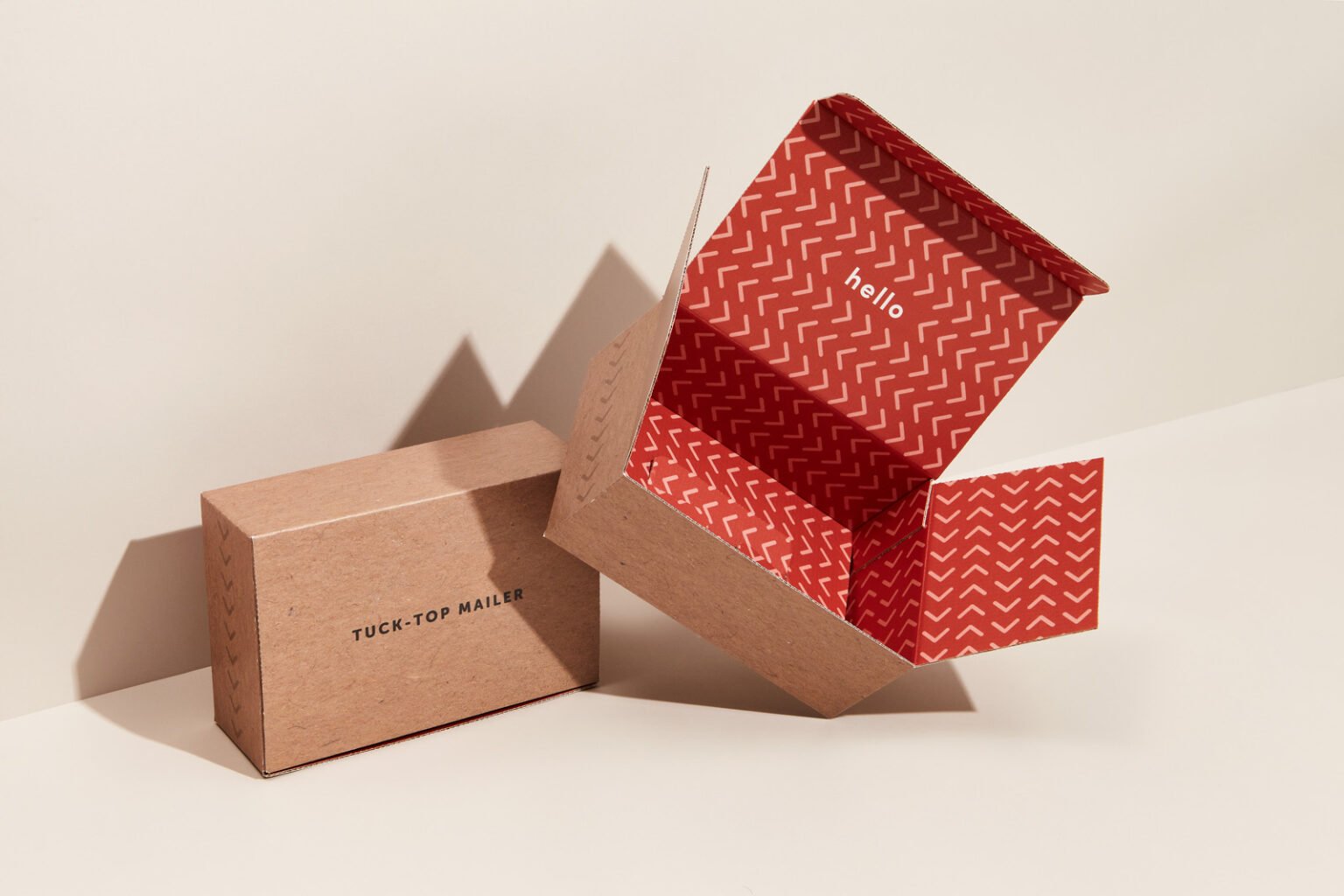
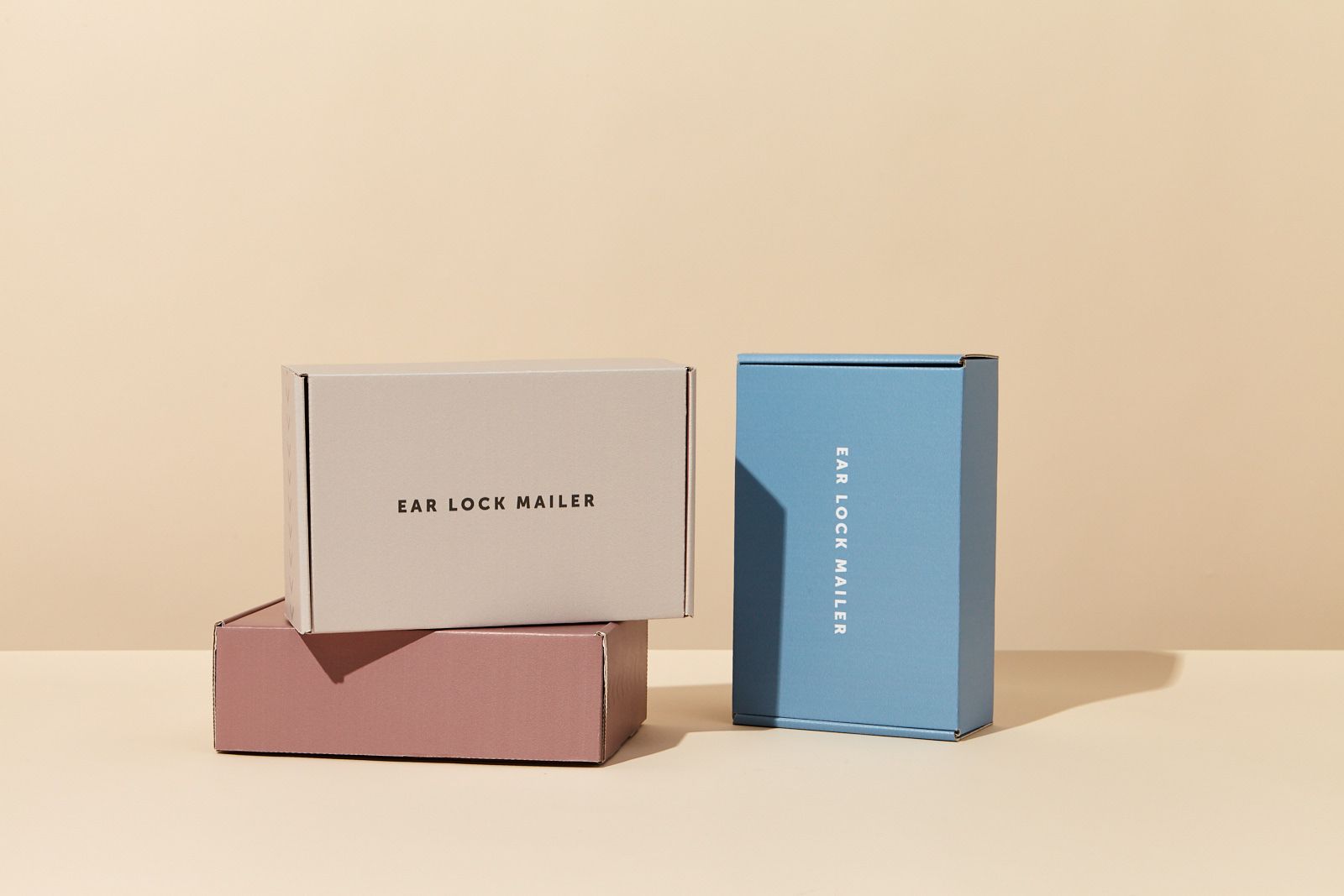
- Kraft mailer boxes: Corrugated mailer boxes with a kraft finish used for e-commerce shipping. Self-locking and printable.
- Kraft gift boxes: Rigid or folding gift boxes in natural kraft, popular for premium gifting with a sustainable feel.
- Kraft paper bags: Used for bakery, retail, and food service packaging.
- Kraft shipping boxes: Regular slotted cartons made from kraft corrugated for general shipping.
- Kraft inserts: Die-cut corrugated or paperboard pieces that hold products inside boxes, replacing foam or plastic alternatives.
How does Kraft Packaging Compare to Standard White Cardboard
The main practical differences are in appearance and sustainability. Kraft board and white coated cardstock perform similarly for most packaging applications. Both can be printed, both hold their shape well, and both are recyclable. The key differences are that natural kraft does not need bleaching, which reduces chemical processing in manufacturing, and that it communicates a natural, artisan, or eco-conscious brand aesthetic that white coated stock does not.
White coated cardstock produces sharper, more vibrant full-color print results because the white surface reflects color more accurately. On kraft, colors appear slightly warmer and more muted, which suits natural and organic brand aesthetics but may not be ideal for brands that need precise, vivid color reproduction for complex photographic designs.
Is Kraft Packaging Eco-friendly
Yes. Natural kraft paper and board are fully recyclable in standard household recycling, biodegradable, and made from a renewable resource when sourced from responsibly managed forests. It is one of the most commonly recycled materials globally. Printed with soy-based inks, it is non-toxic at end of life and one of the most genuinely sustainable standard packaging options available.
What types of Brands Suit Kraft Packaging
Kraft packaging suits brands where a natural, handmade, or eco-conscious aesthetic is part of the identity. Handmade soap and candle brands, organic food producers, artisan bakers, natural beauty and skincare brands, and botanical or wellness products all benefit from the visual language of natural kraft. The earthy, unbleached look communicates authenticity and craft in a way that white coated packaging does not.
Can Kraft Packaging be Printed with Logos and Designs
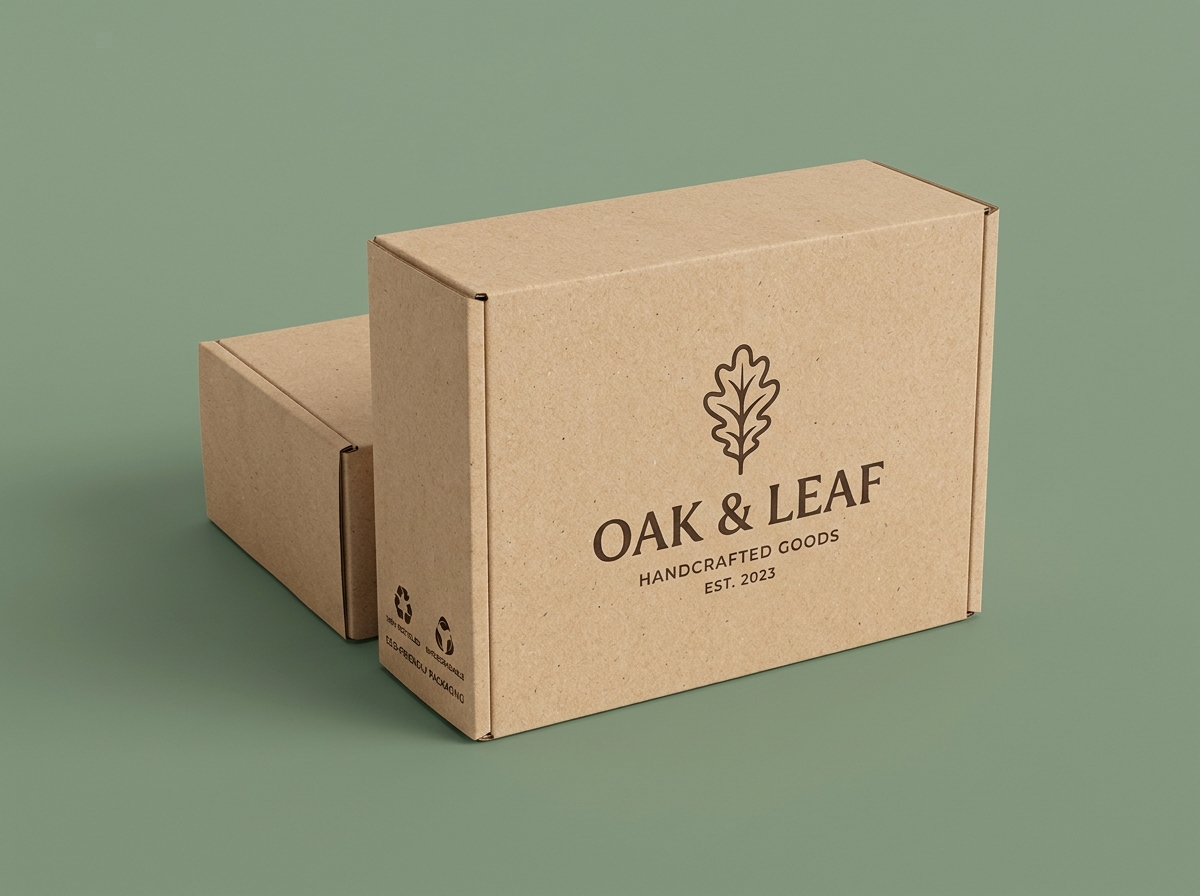
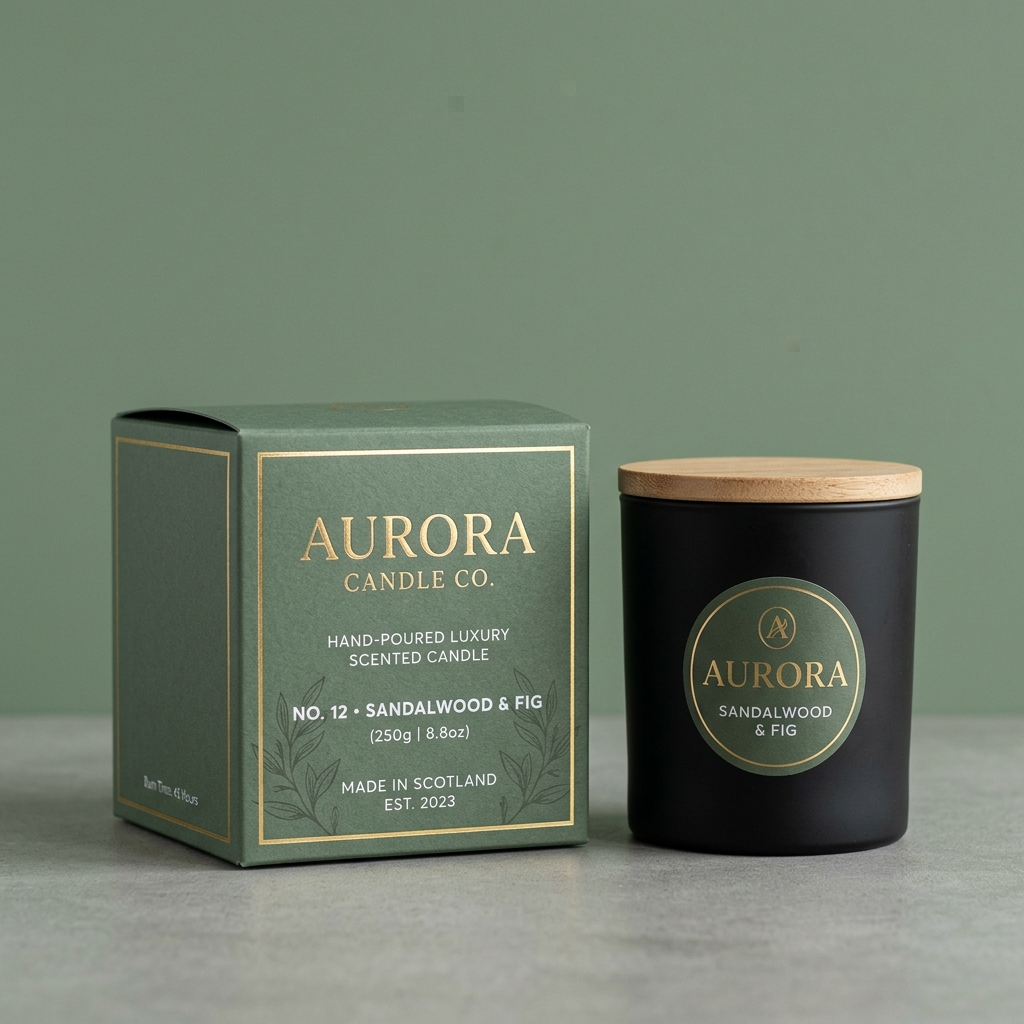
Yes. Kraft paper and board print very well, particularly with bold, simple designs. One or two-color printing on natural kraft looks intentional and premium. Full-color printing is possible too, though colors appear warmer than on white stock. Foil stamping in gold or silver on a natural kraft background is an especially striking combination that many premium brands use for a luxury-meets-natural aesthetic.
How do Brands get the Most Out of Kraft Packaging Design
The most effective kraft packaging designs lean into the natural quality of the material rather than trying to cover it. A simple one-color logo in black, white, or a muted tone on natural brown kraft looks intentional and editorial. A window cutout that reveals the product inside adds visual interest without competing with the kraft surface. A foil-stamped logo or brand name adds a premium element that contrasts beautifully with the organic, earthy background. Avoid printing dense, complex photographic designs on natural kraft because the warm undertone of the board shifts colors and reduces detail. Instead, use kraft packaging as a canvas for clean, confident brand marks that benefit from the natural texture rather than fighting it.