Introduction
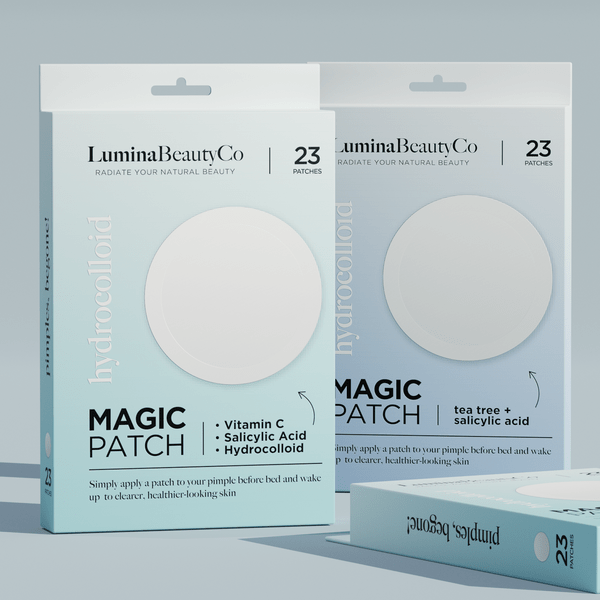
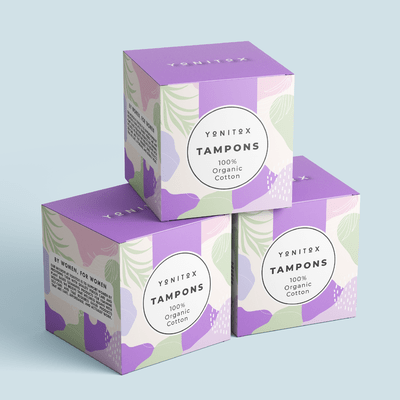
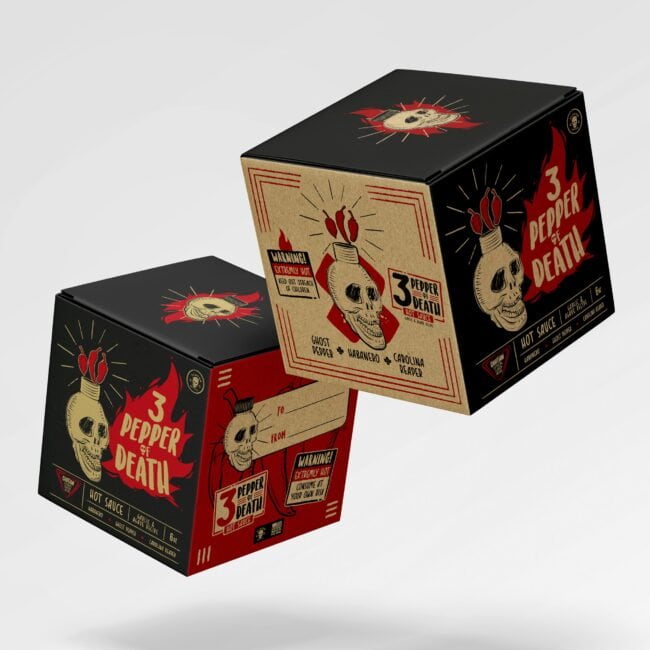
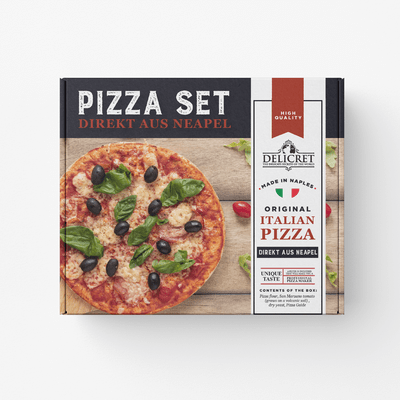
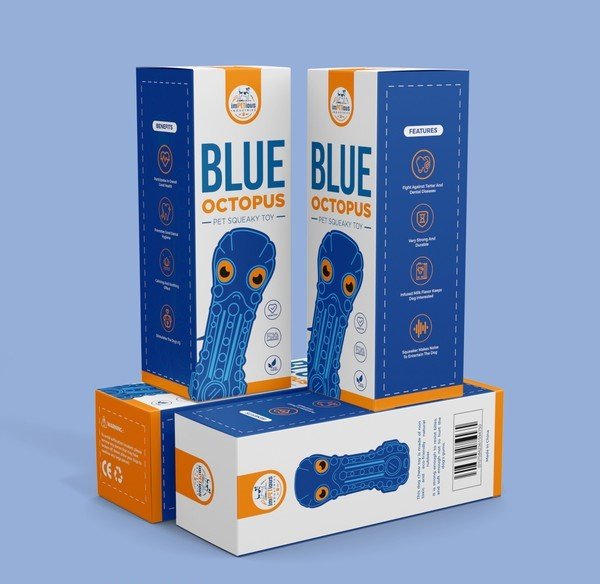
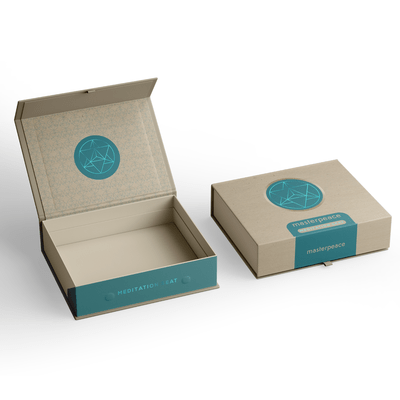
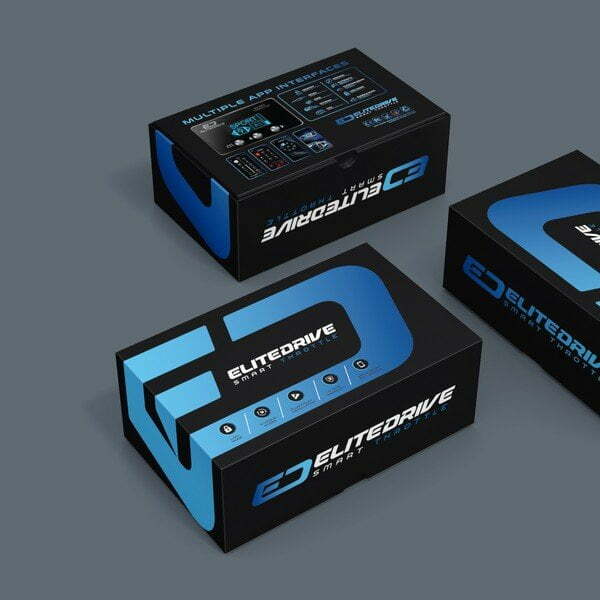
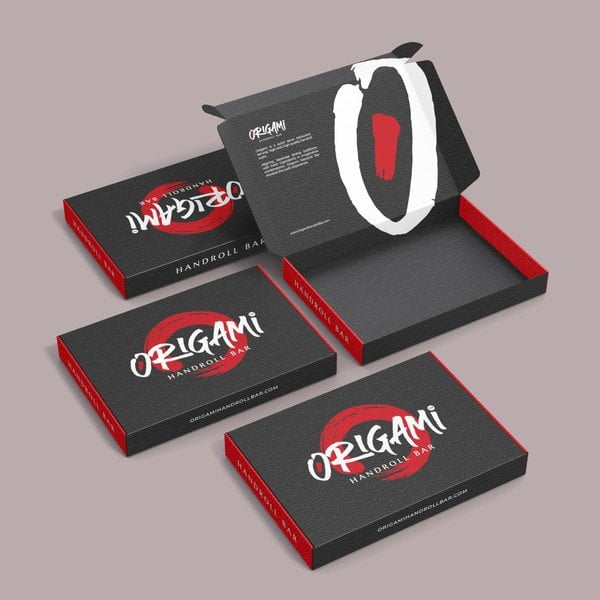
Incense stick packaging plays a crucial role in product preservation, brand differentiation, and customer satisfaction across the growing aromatherapy and wellness market. Quality packaging protects delicate incense sticks from breakage and moisture while creating shelf appeal that drives purchasing decisions. For manufacturers and retailers throughout the USA, selecting appropriate packaging solutions directly impacts product quality, shipping efficiency, and brand perception. This guide explores essential considerations for incense stick packaging wholesale, from material selection to design strategies that help your products stand out in competitive retail environments.
Understanding the Importance of Quality Incense Stick Packaging
Packaging serves multiple critical functions beyond simple containment. For incense products, protection ranks as the primary concern. Incense sticks are inherently fragile, with thin bamboo cores that snap easily under pressure. Quality packaging cushions these delicate items during handling, shipping, and display.
Moisture resistance represents another vital protective function. Incense sticks absorb humidity from the environment, which degrades fragrance quality and makes them difficult to light. The best incense tray packaging incorporates barriers that maintain optimal moisture levels throughout the product lifecycle.
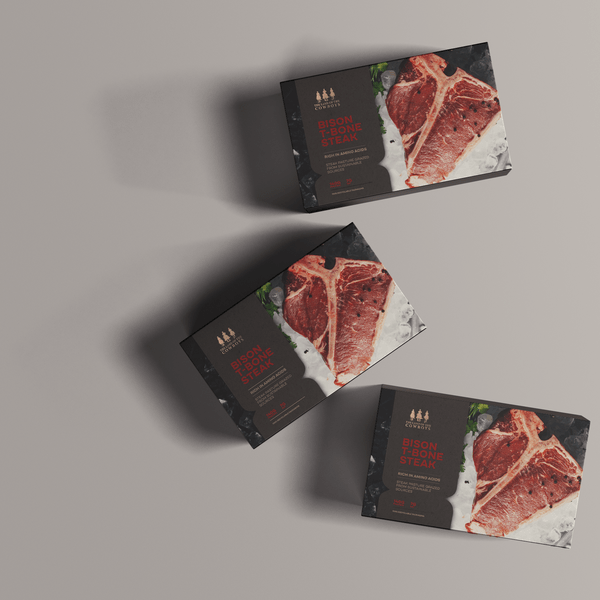
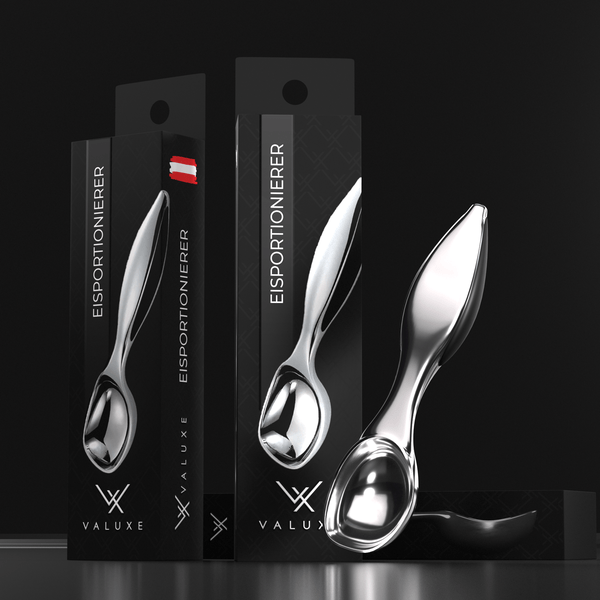
Brand presentation through packaging creates immediate visual impact. When customers browse retail shelves or online marketplaces, your packaging design communicates product quality before they experience the scent itself. Professional packaging signals attention to detail and establishes credibility with discerning customers.
Practical functionality matters equally. Packaging must allow easy access while maintaining protection after initial opening. Resealable options extend product freshness for customers who use incense gradually over weeks or months.
Material Selection for Incense Stick Packaging Wholesale
Choosing appropriate materials balances protection requirements with cost considerations and brand positioning. Cardboard remains the most versatile option for incense stick packaging wholesale applications. This material offers excellent printability, structural integrity, and cost-effectiveness across various order volumes.
Standard cardboard grades suit most retail packaging needs. These materials provide adequate protection while keeping production costs reasonable. Different thicknesses accommodate varying product quantities, from single-stick samples to bulk packages containing dozens of incense sticks.
Kraft paper delivers natural aesthetics that resonate with eco-conscious consumers. This unbleached material communicates environmental responsibility while offering decent protective qualities. Many wellness brands prefer kraft packaging because it aligns with their sustainable product positioning and appeals to their target demographic.
Corrugated materials work well for outer shipping boxes and bulk packaging formats. The layered construction provides superior cushioning and compression resistance. Businesses often combine corrugated shipping containers with retail-ready inner packaging to optimize protection during distribution.
Specialty papers with metallic or textured finishes create premium presentations for luxury incense lines. These materials elevate perceived value and justify higher price points. While more expensive than standard options, specialty papers help differentiate premium products in crowded markets.
Design Elements That Enhance Product Appeal
Effective packaging design integrates visual appeal with functional requirements. Color selection influences customer perception and purchasing behavior significantly. Deep purples and rich burgundies suggest luxury and spiritual connection. Earth tones like terracotta and sage green communicate natural ingredients and wellness benefits. Your color palette should align with both brand identity and the emotional experience your incense products deliver.
Typography clarity ensures customers quickly identify scent names and product benefits. Sans-serif fonts provide clean, modern readability for contemporary brands. Script fonts can work well for traditional or spiritual product lines, provided they remain legible at typical viewing distances.
Imagery and graphics help customers visualize scent experiences before purchase. Photographs of natural ingredients like sandalwood, lavender, or jasmine create sensory associations. Abstract designs may suit meditation-focused products, while vibrant illustrations appeal to younger demographics.
Window panels or transparent sections allow product visibility without compromising protection. Customers appreciate seeing actual incense sticks, which builds confidence in product quality. Strategic window placement showcases the sticks while maintaining structural integrity around the package perimeter.
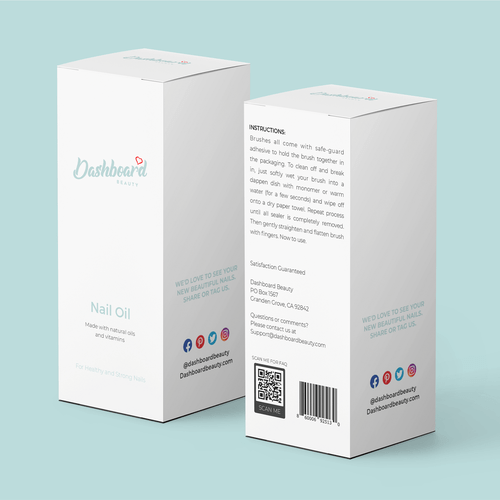
Information hierarchy guides customer attention to key details. Product names should appear most prominently, followed by scent descriptions and usage benefits. Secondary information like ingredient lists and burning times can appear in smaller text without overwhelming the primary message.
The Best Incense Stick Packaging Features for USA Markets
American consumers value convenience alongside quality. Resealable packaging options maintain product freshness between uses, which particularly matters for customers who burn incense occasionally rather than daily. Zip-lock closures or adhesive strips provide simple solutions that enhance customer satisfaction.
Compact sizing accommodates varied retail environments. Many stores have limited shelf space, making efficient packaging dimensions essential. The best stick packaging in USA balances adequate protection with space efficiency to maximize retail placement opportunities.
Clear labeling meets regulatory requirements while building consumer trust. Ingredient disclosure, safety warnings, and usage instructions demonstrate transparency and professionalism. Many states have specific labeling requirements for aromatic products, making compliance essential for market access.
Sustainability features increasingly influence American purchasing decisions. Recyclable materials, minimal packaging waste, and clear disposal instructions appeal to environmentally conscious consumers across all demographics. Brands that communicate their environmental commitment through packaging choices often command premium pricing.
Wholesale Packaging Options and Order Considerations
Understanding wholesale dynamics helps businesses optimize inventory investments. Incense stick packaging wholesale typically requires minimum order quantities ranging from 1,000 to 5,000 units. These thresholds allow manufacturers to offset setup costs while providing businesses with favorable per-unit pricing.
Custom versus stock packaging presents important trade-offs. Stock packaging options offer faster turnaround and lower minimums, making them suitable for new brands testing market reception. Custom designs provide complete brand control but require larger initial investments and longer lead times.
Production timelines vary based on customization complexity. Simple designs using standard materials and digital printing may ship within three weeks. Custom structural designs requiring specialized dies, multiple colors, or premium finishing techniques typically need six to ten weeks from approval through delivery.
Cost structures reflect multiple variables beyond base materials. Setup fees for custom dies or printing plates represent one-time investments amortized across order quantities. Larger orders reduce per-unit costs significantly, though businesses must balance savings against storage capacity and inventory turnover rates.
Protective Features for Safe Product Delivery
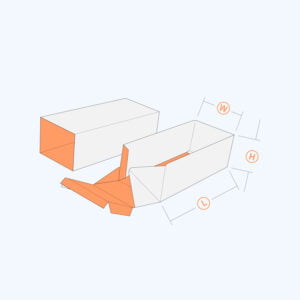
Structural design directly impacts product survival during shipping and handling. Interior dividers prevent incense sticks from rubbing against each other, reducing breakage and fragrance cross-contamination in multi-scent packages. Simple cardboard inserts provide cost-effective separation for retail packaging.
Cushioning elements absorb shock during transport. Corrugated liners or foam inserts protect products from drops and compression. The level of cushioning should match distribution channel requirements—direct-to-consumer shipping generally needs more protection than store deliveries to climate-controlled retail locations.
Sealing methods ensure packages remain closed until customers open them. Tuck closures work well for lightweight packages, while adhesive strips or tape provide more secure options for heavier products or rough shipping conditions. Tamper-evident features build customer confidence in product integrity.
Moisture barriers protect scent quality during storage and transit. Wax coatings, plastic liners, or laminated materials prevent humidity penetration. These barriers prove particularly important for products shipped to humid climates or stored in uncontrolled warehouse environments.
Branding Opportunities Through Packaging Design
Strategic packaging transforms containers into marketing assets. Brand storytelling creates emotional connections that transcend functional product benefits. Brief narratives about ingredient sourcing, traditional production methods, or company values help customers understand what makes your incense special.
Consistent visual identity across product lines builds recognition. While individual scents may feature unique accent colors or graphics, maintaining common elements—logo placement, typography style, package structure—creates cohesive brand families. This consistency helps customers navigate your product range and identify new offerings.
Interactive elements extend engagement beyond purchase moments. QR codes linking to meditation guides, scent-pairing recommendations, or usage tutorials add value while building digital connections. These features particularly resonate with younger consumers who expect integrated physical-digital experiences.
Limited editions and seasonal designs create urgency and collectibility. Special packaging for holidays or exclusive releases encourages immediate purchase and can command premium pricing. This strategy works especially well for established brands with loyal customer bases eager for new offerings.
Sustainability in Modern Incense Packaging
Environmental responsibility increasingly influences purchasing decisions across American demographics. Recycled content materials demonstrate commitment to sustainability without sacrificing quality. Many customers actively seek brands whose environmental values align with their own, making eco-friendly choices a competitive advantage.
Biodegradable options provide end-of-life solutions that minimize environmental impact. Materials that break down naturally appeal to consumers concerned about packaging waste. Clear communication about proper disposal methods helps customers participate in sustainability efforts.
Minimalist design approaches reduce material usage while creating sophisticated aesthetics. Eliminating unnecessary packaging layers and oversized containers decreases both environmental footprint and shipping costs. This approach resonates particularly well with wellness-focused consumers who value intentional simplicity.
Plant-based inks replace petroleum derivatives in printing processes. Soy and vegetable inks produce excellent color while supporting renewable resource goals. Most customers won’t notice visual differences, yet the environmental benefits align with broader sustainability commitments.
Frequently Asked Questions
What quantity should I order for incense stick packaging wholesale?
Most suppliers require 1,000 to 5,000 units for custom designs. Starting with smaller minimums helps new brands test market response before larger investments. Established brands often order larger quantities to maximize cost savings.
How does packaging affect incense stick shelf life?
Quality packaging with moisture barriers significantly extends shelf life by preventing humidity absorption and fragrance degradation. Proper packaging maintains product quality for 12 to 24 months under normal storage conditions.
Can I use sustainable materials without compromising protection?
Modern eco-friendly materials offer excellent protection comparable to traditional options. Recycled cardboard and biodegradable alternatives provide adequate strength and moisture resistance for most applications.
What design elements work best for retail environments?
Clear product visibility, bold typography, and distinctive colors help packages stand out on crowded shelves. Window panels showing actual incense sticks build customer confidence and encourage purchases.
How long does custom packaging production typically take?
Standard lead times range from three to ten weeks depending on complexity. Simple designs ship faster, while custom structural requirements or premium finishing extend timelines. Planning ahead prevents inventory shortages.