Introduction
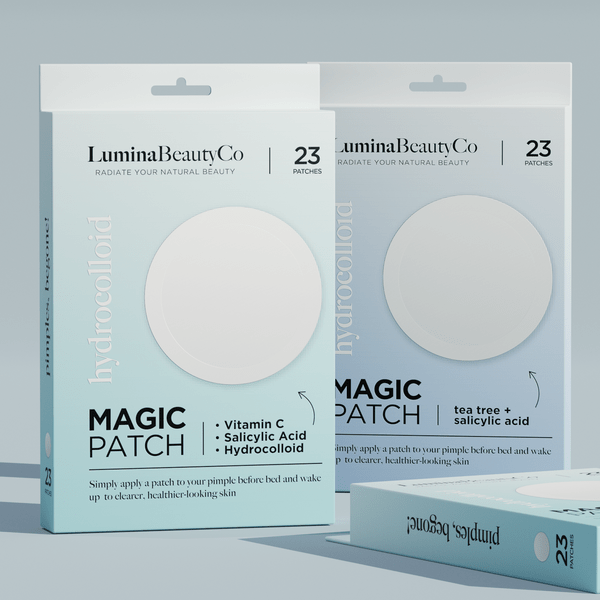
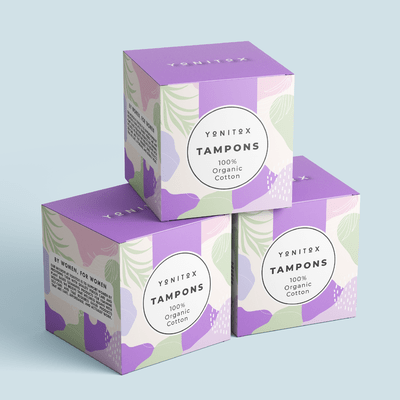
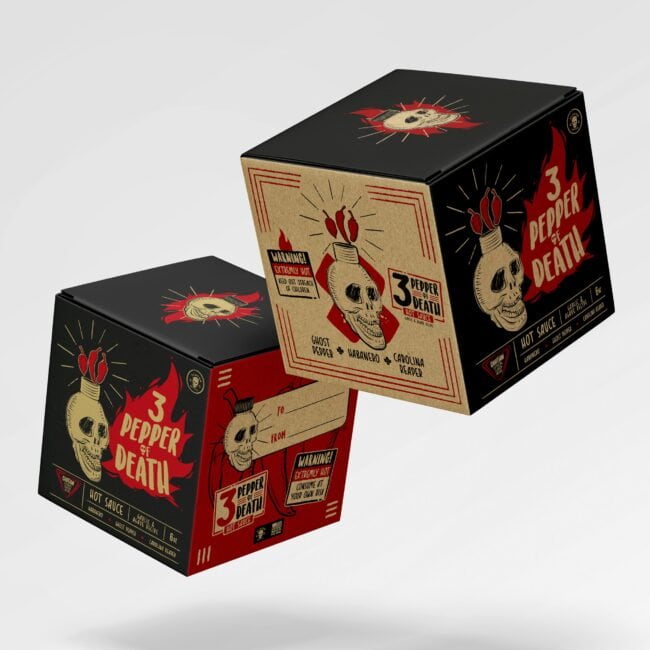
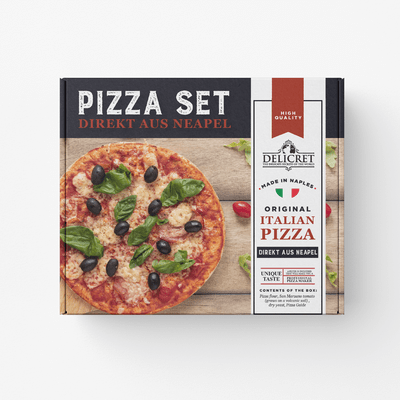
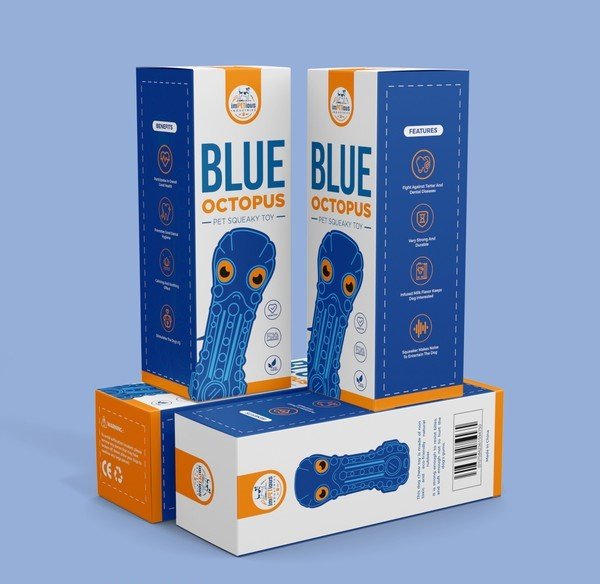
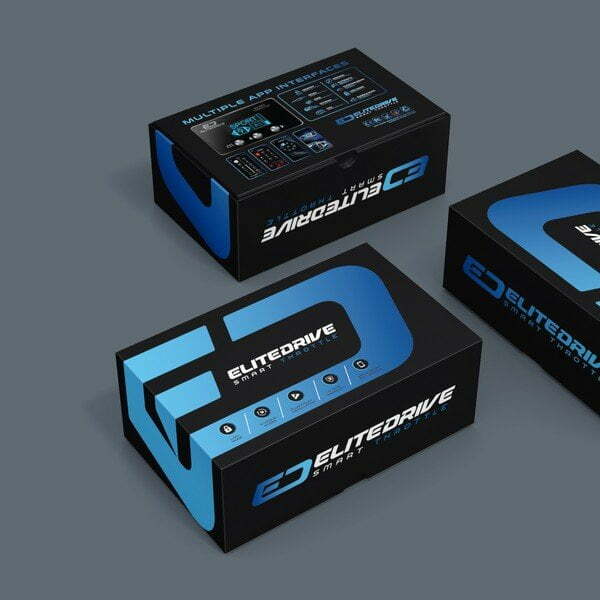
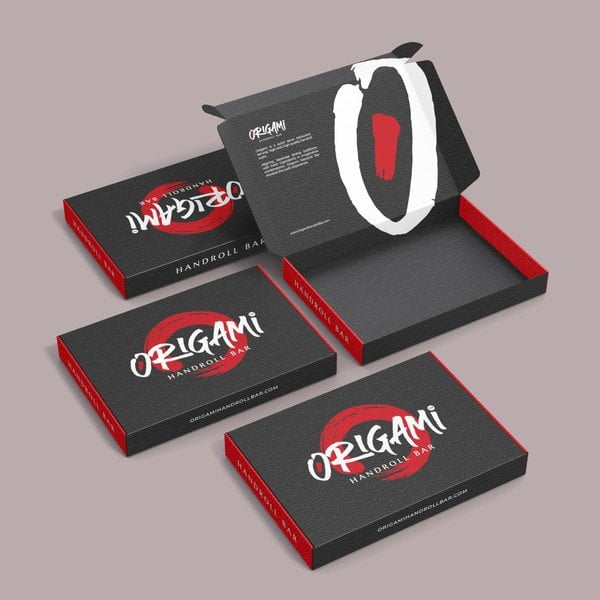
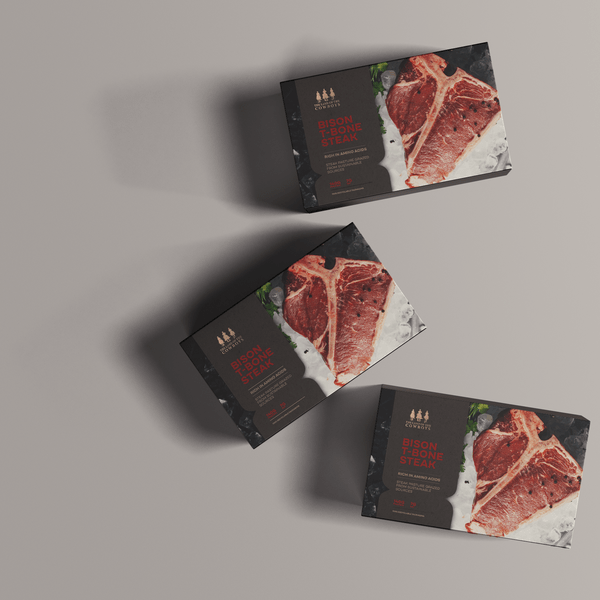
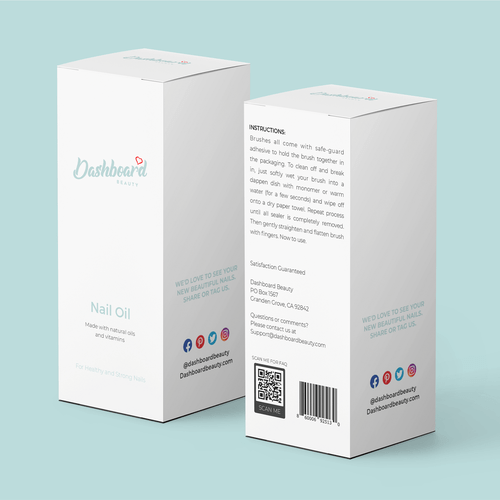
Custom incense boxes wholesale offer businesses an effective way to package their products while building brand recognition and customer loyalty. Whether you’re a boutique incense manufacturer or a large-scale distributor, selecting the right packaging partner ensures your products arrive safely while making a memorable impression on retail shelves. Quality packaging protects delicate incense sticks from moisture and damage during shipping, while custom designs help your brand stand out in competitive markets. This comprehensive guide explores everything you need to know about sourcing custom incense boxes bulk, from material selection to design considerations that drive sales.
Why Custom Incense Packaging Matters for Your Business
Packaging serves as the first physical touchpoint between your brand and customers. For incense products, this connection carries particular significance. Customers often associate premium packaging with higher product quality, making your investment in custom boxes a strategic decision that directly impacts purchasing behavior.
Custom incense boxes wholesale provide consistent branding across all your product lines. This consistency builds recognition and trust over time. When customers see your distinctive packaging design, they immediately associate it with the quality they’ve experienced before. This recognition becomes especially valuable in retail environments where dozens of competing products vie for attention.
Protection remains equally important. Incense sticks are fragile and sensitive to environmental conditions. Quality packaging shields them from humidity, physical damage, and contamination during storage and transit. Custom boxes designed specifically for incense dimensions minimize movement inside the package, reducing breakage rates and customer complaints.
Material Options for Wholesale Incense Boxes
Selecting appropriate materials directly impacts both product protection and brand perception. Cardboard remains the most popular choice for custom incense boxes bulk due to its versatility and cost-effectiveness. Different cardboard grades offer varying levels of durability, allowing businesses to match packaging strength with specific distribution requirements.
Kraft paper provides an eco-friendly alternative that resonates with environmentally conscious consumers. This natural brown material communicates sustainability while offering adequate protection for most incense products. Many brands enhance kraft packaging with minimalist designs that emphasize their environmental commitment.
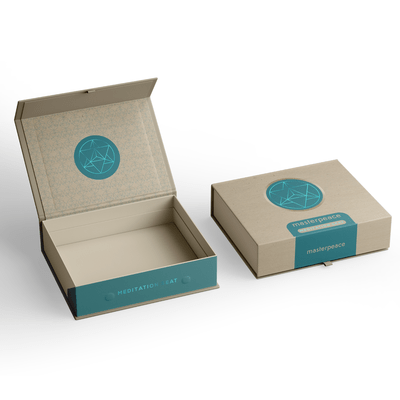
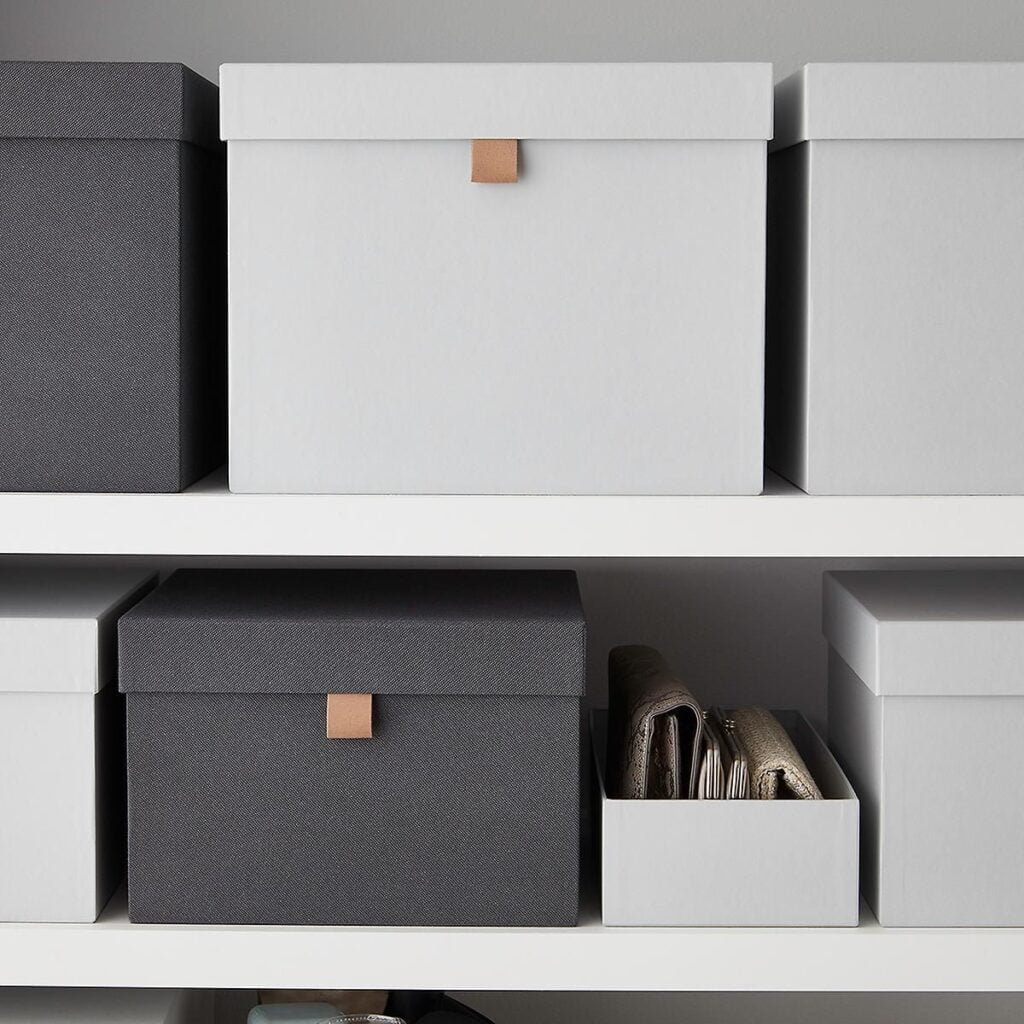
Rigid boxes offer premium presentation for luxury incense lines. These sturdy containers feature thick chipboard construction with decorative paper wrapping. While more expensive than standard folding cartons, rigid boxes create an upscale unboxing experience that justifies higher product prices.
Corrugated materials work well for shipping containers and bulk packaging. The fluted layer between liner sheets provides excellent cushioning and structural strength. Businesses often use corrugated outer boxes to protect retail-ready folding cartons during distribution.
Design Elements That Drive Sales
Effective packaging design balances aesthetic appeal with functional requirements. Color psychology plays a significant role in customer decision-making. Warm tones like burgundy and gold suggest luxury and sophistication, while cool blues and greens communicate calmness and natural ingredients. Your color choices should align with both your brand identity and the emotions your incense products evoke.
Typography deserves careful consideration. Clean, readable fonts ensure customers can quickly identify product names and scent descriptions. Ornate scripts may suit luxury lines, while modern sans-serif fonts work well for contemporary brands. The key is maintaining legibility at typical retail viewing distances.
Window cutouts allow customers to see and sometimes smell products before purchase. This transparency builds confidence and can significantly boost conversion rates. Strategic window placement showcases incense sticks while maintaining structural integrity and protecting the majority of contents from handling.
Finishing options add visual interest and tactile appeal. Matte lamination creates a sophisticated, modern look while providing surface protection. Glossy finishes make colors pop and create eye-catching shelf presence. Spot UV coating highlights specific design elements like logos or product names. Embossing and debossing add dimensional interest that invites customer interaction.
Ordering Custom Incense Boxes Bulk: Process and Considerations
Understanding the ordering process helps businesses plan inventory and budgets effectively. Most wholesale packaging suppliers require minimum order quantities, typically ranging from 500 to 1,000 units for custom designs. These minimums allow manufacturers to offset setup costs while providing businesses with economies of scale.
Lead times vary based on customization complexity and production schedules. Standard designs with digital printing may ship within two to three weeks. Complex projects involving custom dies, special materials, or multiple finishing techniques could require six to eight weeks. Planning ahead prevents inventory shortages during peak sales periods.
Sample approval represents a critical step before full production begins. Reputable suppliers provide physical samples or digital proofs for review. This stage allows businesses to verify dimensions, color accuracy, and overall quality before committing to large quantities. Never skip sample approval, as corrections after production prove costly and time-consuming.
Cost Factors in Wholesale Incense Packaging
Several variables influence custom incense boxes wholesale pricing. Material selection creates the foundation for cost calculations. Standard cardboard grades offer the most economical option, while specialty papers, rigid materials, and sustainable alternatives increase per-unit costs.
Printing methods significantly impact pricing. Digital printing works well for smaller quantities and designs with numerous colors, though per-unit costs remain higher than offset printing. Offset printing becomes more economical at higher volumes, particularly for designs using four or fewer colors. Screen printing offers durability for specific applications but typically costs more than other methods.
Structural complexity affects both tooling costs and per-unit pricing. Simple tuck-end boxes require basic dies and straightforward assembly, keeping costs low. Custom shapes, intricate closures, and unique structural features require specialized dies and more complex production processes, increasing overall investment.
Finishing techniques add premium appeal but increase costs proportionally. Basic packaging without special finishes provides the lowest price point. Each additional element—lamination, spot UV, foil stamping, embossing—adds to the final cost. Strategic application of finishing to key design elements often provides better value than covering entire surfaces.
Sustainable Packaging Options for Modern Brands
Environmental responsibility increasingly influences purchasing decisions across all demographics. Custom incense boxes bulk manufactured from recycled materials demonstrate commitment to sustainability without sacrificing quality. Many customers actively seek brands that align with their environmental values, making eco-friendly packaging a competitive advantage.
Biodegradable and compostable materials offer end-of-life solutions that minimize environmental impact. These materials break down naturally, unlike traditional plastics that persist for decades. Clear labeling about disposal methods helps customers participate in your sustainability efforts.
Minimalist design approaches reduce material usage while creating modern, sophisticated aesthetics. Eliminating unnecessary packaging layers and oversized boxes decreases shipping costs while reducing environmental footprint. This approach often resonates particularly well with younger consumers who value both sustainability and design simplicity.
Soy-based and vegetable inks replace petroleum-based alternatives in printing processes. These renewable ink options produce excellent color while reducing environmental impact. Most customers won’t notice the difference visually, yet the environmental benefits support broader sustainability goals.
Maximizing Brand Impact Through Packaging
Strategic packaging design transforms boxes from simple containers into marketing tools. Including your brand story on packaging creates emotional connections with customers. Brief narratives about ingredient sourcing, production methods, or company values help customers understand what makes your incense special.
QR codes bridge physical packaging with digital experiences. Scanning codes can direct customers to meditation guides, scent pairing suggestions, or behind-the-scenes content. This integration extends customer engagement beyond the initial purchase moment.
Consistent packaging across product lines creates cohesive brand families. While individual scents or product types may feature unique colors or graphics, maintaining common design elements—logo placement, typography, structural format—builds instant recognition. Customers shopping for new scents quickly identify your brand among competitors.
Seasonal or limited-edition packaging creates urgency and collectibility. Special designs for holidays or exclusive releases encourage customers to purchase before items disappear. This strategy works particularly well for established brands with loyal customer bases.
Quality Control in Bulk Packaging Orders
Implementing quality standards protects your brand reputation and reduces waste. Establishing clear specifications with your packaging supplier ensures consistent results across orders. Document exact dimensions, color values, material grades, and acceptable tolerances before production begins.
Inspection protocols help identify issues before products reach customers. Request that suppliers provide samples from each production run for approval. Examining these samples confirms color accuracy, print quality, and structural integrity match your standards.
Testing packaging under realistic conditions reveals potential weaknesses. Simple drop tests simulate shipping stress, while moisture exposure tests confirm protection against humidity. These practical evaluations often uncover issues that specifications alone might miss.
Storage and Inventory Management
Proper storage extends packaging lifespan and maintains quality. Climate-controlled environments prevent warping from humidity and temperature fluctuations. Flat storage of unassembled boxes maximizes space efficiency while preventing crushing or bending.
Inventory planning balances cost savings from bulk orders against storage capacity and product lifecycle considerations. Ordering larger quantities reduces per-unit costs but requires adequate storage space. Consider product turnover rates when determining order sizes to prevent obsolete packaging from design updates or rebranding efforts.
Just-in-time inventory systems minimize storage requirements for businesses with limited space. Working with responsive suppliers who maintain shorter lead times allows smaller, more frequent orders. This approach increases per-unit costs slightly but eliminates storage challenges and reduces obsolescence risk.
Frequently Asked Questions
What minimum order quantities should I expect for custom incense boxes wholesale?
Most suppliers require between 500 and 1,000 units for custom designs. This threshold allows manufacturers to offset setup costs while providing businesses with reasonable per-unit pricing. Some suppliers offer lower minimums for simpler designs or existing templates.
How long does production typically take for custom incense boxes bulk?
Standard lead times range from two to eight weeks depending on customization complexity. Simple designs with digital printing may complete within two to three weeks, while projects requiring custom dies, special materials, or multiple finishing techniques need six to eight weeks from approval to delivery.
Can I order samples before committing to large quantities?
Reputable packaging suppliers provide physical samples or digital proofs before full production. This critical step allows verification of dimensions, colors, and overall quality. Always review samples carefully, as corrections after production prove expensive and time-consuming.
What design file formats do packaging suppliers typically require?
Most suppliers accept Adobe Illustrator (.ai) or PDF files with outlined fonts and embedded images. Vector formats ensure designs scale properly and maintain quality during production. Confirm specific requirements with your chosen supplier before finalizing artwork.
How can I make my incense packaging more environmentally friendly?
Choose recycled or biodegradable materials, minimize packaging size, use soy-based inks, and avoid unnecessary finishing treatments. Clear labeling about recyclability helps customers dispose of packaging responsibly. Many suppliers now offer comprehensive sustainable packaging solutions.