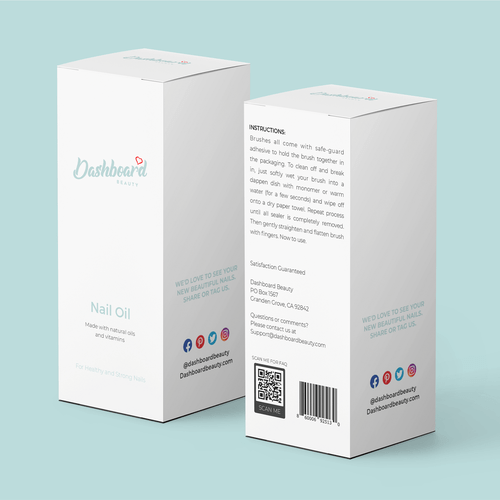

Archive Boxes Ultimate Guide Best Custom Storage Solutions in 2025
When selecting archive boxes for your document storage needs, understanding the science behind preservation and the practical applications can save you thousands of dollars in damaged materials over time. Archive boxes serve as the first line of defense against environmental damage, organizational chaos, and long-term deterioration of important documents, photographs, and business records. Whether you’re a small business owner organizing customer files, a genealogy enthusiast preserving family history, or a medical practice ensuring HIPAA compliance, the right archive boxes can transform your storage system from a liability into a strategic asset. Why Archive Boxes Matter More Than You Think Archive boxes represent far more than simple storage containers. These specialized boxes protect against six major threats to document integrity including light exposure, humidity fluctuations, dust accumulation, pest infiltration, physical damage, and chemical deterioration from poor-quality materials. Professional archive storage boxes use acid-free materials that maintain a neutral pH level, preventing the yellow brittling that destroys newspaper clippings, photographs, and legal documents over decades. The National Archives and Records Administration emphasizes that proper storage containers can extend document life by 200-300 years compared to standard cardboard boxes. The Hidden Costs of Poor Storage Many organizations discover the true value of quality archive boxes only after experiencing devastating losses. A medical practice in Ohio lost 15 years of patient records when water damage destroyed documents stored in regular cardboard boxes. The same documents stored in archive storage boxes with moisture barriers would have survived completely intact. Legal firms face particular risks, with courts increasingly requiring digital copies of physical documents. Archive filing boxes that maintain document integrity allow for high-quality scanning decades after initial storage, preserving the evidentiary value that could determine case outcomes. Complete Archive Boxes Buying Guide by User Type Small Business Archive Storage Solutions Small businesses need archive boxes that balance cost-effectiveness with professional organization. Custom archive boxes with your company logo serve dual purposes, protecting documents while reinforcing brand identity when clients or auditors visit your storage areas. Recommended specifications for small business: Minimum 32 ECT (Edge Crush Test) strength for frequent handling Acid-free materials to prevent degradation over 10-15 year storage periods Easy assembly design to reduce labor costs during busy periods Stackable design with weight limits clearly marked Personal and Family Archive Storage Genealogists and family historians require archive storage boxes that protect irreplaceable materials including birth certificates, marriage licenses, military records, photographs, and personal correspondence. These documents cannot be replaced, making quality archive boxes essential rather than optional. Key features for personal archiving: Photo-safe materials that won’t emit harmful gases Multiple size options for different document types Clear labeling areas for easy identification Moisture barriers for basement or attic storage Professional and Institutional Applications Museums, libraries, and government agencies require archive boxes that meet specific preservation standards. These institutions often specify materials that pass the Photographic Activity Test (P.A.T.) and comply with Library of Congress recommendations. Professional requirements typically include: Buffered or unbuffered materials depending on content type Metal edge reinforcement for heavy-duty use Precise sizing to maximize shelf space efficiency Compatibility with standard archival folders and dividers Archive Boxes Material Science Made Simple Understanding archive box materials doesn’t require a chemistry degree, but knowing the basics helps you make informed purchasing decisions that protect your investment in document preservation. Acid-Free vs Regular Cardboard Regular cardboard contains acids that migrate into stored documents, causing yellowing, brittleness, and eventual disintegration. Acid-free archive boxes use specially treated materials or naturally acid-free fibers that maintain neutral pH levels indefinitely. The pH scale runs from 0-14, with 7 being neutral. Archive storage boxes should maintain pH levels between 7.0-8.5, which slightly alkaline conditions that neutralize acids from environmental sources. Buffered vs Unbuffered Materials Buffered archive boxes contain calcium carbonate that actively neutralizes acids, providing extra protection for paper documents, newspapers, and books. However, unbuffered materials work better for certain photographs, particularly color prints and some historical photographic processes that can be damaged by alkaline conditions. Most users benefit from buffered archive filing boxes unless specifically storing photographic materials. When in doubt, consult conservation professionals or choose suppliers who can provide technical guidance. Understanding Lignin-Free Materials Lignin, a natural component of wood, breaks down over time and releases acids that damage documents. Lignin-free archive boxes eliminate this source of degradation, significantly extending document life. This feature is particularly important for long-term storage exceeding 10 years. Maximizing Storage Efficiency with Archive Boxes Efficient archive storage involves more than buying boxes and filling them with documents. Strategic planning can double your storage capacity while improving document retrieval times and ensuring long-term preservation. The 3-2-1 Storage Strategy Professional archivists recommend the 3-2-1 approach: store documents in three different formats (original, digital copy, microfilm), keep two copies in different locations, and maintain one copy in archive storage boxes designed for century-long preservation. This strategy protects against multiple failure modes while ensuring business continuity. Archive boxes play a crucial role by maintaining original document integrity for legal compliance and historical accuracy. Space Optimization Techniques Standard archive storage boxes measure 15″ x 12″ x 10″, designed to fit standard shelving units. However, custom sizing can increase storage density by 25-40% when designed for specific document types and storage locations. Calculate storage needs by measuring your current document volume and projecting 3-5 years of growth. Archive boxes work most efficiently when filled to 80-90% capacity, allowing for easy retrieval without overpacking. Industry-Specific Archive Box Applications Legal Document Storage Requirements Law firms face unique challenges with document retention requirements varying by practice area and jurisdiction. Archive filing boxes for legal applications must maintain document integrity for decades while allowing efficient retrieval during discovery processes. Court-admissible documents require storage methods that preserve original formatting, signatures, and physical evidence markers. High-quality archive boxes prevent the deterioration that could compromise legal evidence or professional liability coverage. Medical Records Archival Solutions Healthcare organizations must balance HIPAA privacy requirements with document preservation needs. Archive storage boxes designed for medical applications include privacy features and organization systems that support both compliance audits and
Archive Boxes Ultimate Guide Best Custom Storage Solutions in 2025 Read More »