
Eco-Friendly Cigarette Boxes: How Sustainable Packaging Boosts Sales
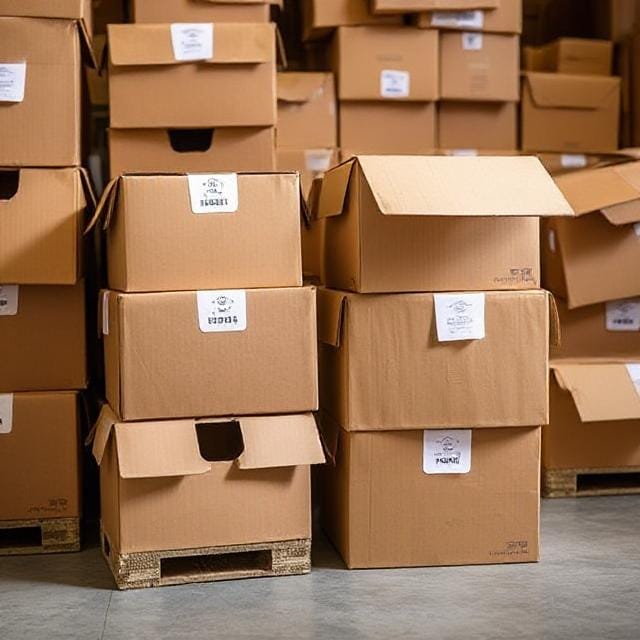
Sustainability isn’t just a moral choice—it’s a market signal. In a category where advertising is restricted, the pack is one of your most powerful touchpoints. Eco-friendly Cigarette Boxes can reduce costs, strengthen retailer relationships, and improve brand perception among adult consumers—all while keeping you compliant in tough regulatory environments. This guide breaks down why sustainable packaging sells, what makes a pack genuinely eco-friendly, and how to transform your specs without risking quality or speed to market. You’ll find practical materials advice, design strategies, vendor checklists, and a simple ROI model you can put to work on your next production run. Why Sustainable Packaging Sells in Tobacco Even with marketing constraints, packaging remains visible, tactile, and memorable. Sustainability elevates that experience in ways that matter commercially. Consumer preference: Adult buyers increasingly notice packaging impact. They value clear, honest sustainability cues—responsibly sourced board, recyclable structures, reduced plastic, and low‑VOC inks. Retailer pressure: Retailers are setting packaging standards of their own, prioritizing suppliers who reduce waste, optimize case packs, and cut damage in transit. Regulatory momentum: Extended Producer Responsibility (EPR), plain‑pack rules, and track‑and‑trace systems raise the bar. Designs that simplify compliance and end‑of‑life handling are safer bets. Cost and resilience: Right‑sized materials, fewer components, and standardized die‑lines lower per‑unit cost and reduce supply chain risk. When you execute well, sustainable Eco-Friendly Cigarette Boxes become a quiet but persistent reason to pick, stock, and reorder your products. What Makes Eco-Friendly Cigarette Boxes? Sustainability is a system, not a single material choice. Focus on improvements that survive production realities and end-of-life conditions in your key markets. 1) Materials that matter FSC- or PEFC-certified paperboard: Verifies responsible fiber sourcing and supports ESG reporting. Recycled content FBB/SBS: Incorporate post‑consumer or post‑industrial content while maintaining print fidelity. Mono‑material design: Favor paper-first construction so the entire pack travels one recycling stream. 2) Inks, coatings, and adhesives Water-based or vegetable/soy‑based inks: Reduce VOCs and improve de‑inking during recycling. Aqueous or dispersion coatings: Replace laminates where possible; choose scuff‑resistant formulas for pocket carry. Adhesives: Low‑migration, repulpable glues that won’t contaminate recycling mills. 3) Overwrap and inner components Overwrap alternatives: Where regulations allow, consider certified compostable cellulose film or ultra‑thin BOPP with verified recycling pathways. Inner liners: Aluminumized paper or recyclable barrier papers to maintain product integrity with less plastic. Tear tapes: Paper-based tapes with consistent tear performance to avoid double-wrapping and returns. 4) Light‑weighting and right‑sizing Optimize caliper: Use the thinnest feasible board that still survives pocket carry, humidity, and stacking. Die‑line discipline: Trim unneeded flaps and glue areas; reduce total material per pack and per master carton. 5) Clean energy and data Pressrooms powered by renewables: Prefer vendors with documented carbon reductions. LCA and EPDs: Use life‑cycle assessments and environmental product declarations to support claims. Build these elements into your Cigarette Boxes early, and you’ll avoid expensive redesigns later. The Business Case: How Eco Packaging Lifts Sales Sustainability earns its place when it moves the numbers. Here’s how it typically does: Shelf appeal and perceived quality Clean print with low‑gloss, soft‑touch, or matte aqueous coatings signals care and craftsmanship. Subtle tactile upgrades that remain recyclable can make Eco-Friendly Cigarette Boxes feel premium without violating plain‑pack rules where they apply. Trust and brand equity Clear recycling instructions, honest material claims, and consistent workmanship build credibility with adult consumers and retailers. Trust shows up as repeat purchases and fewer complaints. Retailer acceptance and visibility Retailers prefer products that stack well, resist scuffing, and minimize shrink. Durable, right‑sized packs reduce damage—leading to more front‑facing facings and better placement in store plans. Cost reductions that fund growth Material savings from light‑weighting Fewer returns due to crushed packs Standardized die‑lines that speed changeovers Lower freight cost per unit from tighter palletization Those savings can directly fund innovation or price investment on key SKUs. Compliance as a competitive advantage When eco design simplifies warning panel placement, tax stamp application, and track‑and‑trace coding, you cut reprint risk and keep inventory flowing. Reliable supply is an underappreciated sales lever. Design Strategies for Sustainable Success Sustainability doesn’t have to fight performance. Design with intent so the pack functions beautifully from press to pocket. Prioritize mono‑material construction Limit plastics and foil where possible. Use paperboard structures with recyclable or compostable coatings. If you must use a barrier, select options compatible with local recycling streams and disclose that honestly. Engineer for toughness Pocket carry is harsh. Specify anti‑scuff aqueous coats on high‑touch areas, reinforced creases, and inner frames that resist crushing—without jumping up a caliper grade. Print with restraint High-coverage dark solids show wear faster. Consider mid‑tone palettes and precise typography, always leaving space for mandated health warnings. In standardized markets, invest in production accuracy and consistent color to protect professionalism. Lean into tactile cues Embossing or debossing can elevate feel without compromising recyclability when used sparingly. Pair with soft‑touch aqueous coats rather than laminates to keep packs curbside‑recyclable where allowed. Make sustainability visible but truthful Add small, verified icons (FSC, recycling instructions) and a line of copy explaining the change. Keep claims conservative and evidence‑based to avoid greenwashing. A Practical Roadmap to Greener Packs You don’t need to flip your entire portfolio at once. Move in sprints that deliver quick wins while de‑risking change. 0–30 days: Audit and align Gather current specs, coatings, inks, and adhesives. Map regulatory requirements per market. Identify quick wins: lighter caliper, aqueous coat swap, recycled content. 30–60 days: Prototype and test Build white dummies and printed prototypes of new Eco-Friendly Cigarette Boxes. Stress-test for pocket carry, humidity, and machine speed. Validate barcode/serialization and warning layout. 60–90 days: Pilot and measure Run a controlled pilot in one region or SKU. Track sell‑through, damage rates, and retailer feedback. Adjust specs; prepare vendor capacity and SOPs for scale. 90+ days: Scale and communicate Roll out updated specs. Provide a one‑page sustainability explainer for retailers. Update artwork with accurate recycling and certification marks. Measuring ROI: From Good Intentions to Hard Numbers Tie sustainability to outcomes your finance team will recognize. Material cost per thousand: Savings from reduced
Eco-Friendly Cigarette Boxes: How Sustainable Packaging Boosts Sales Read More »